Passive Optical Networks (GPON/POL/FTTO)

The network architecture that can replace Ethernet in large private deployments

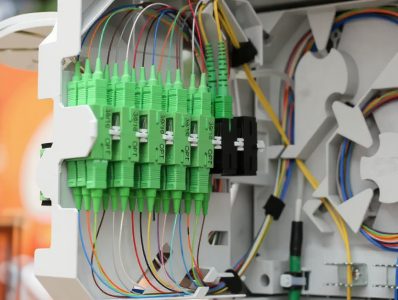
Optical local networks (GPON / POL / FTTO) leverage the same technology used in FTTH access and adapt it to the needs of large private sites such as hotels, university campuses, office complexes and industrial facilities.

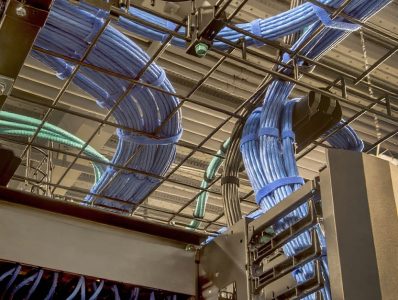
Instead of a multi-tier Ethernet network with switches and copper cabling, a passive optical backbone is used—resulting in an energy-efficient, simpler and more scalable network, ideal for environments with many devices, high speeds and the need to unify services.

Passive Optical Networks (GPON/POL/FTTO)

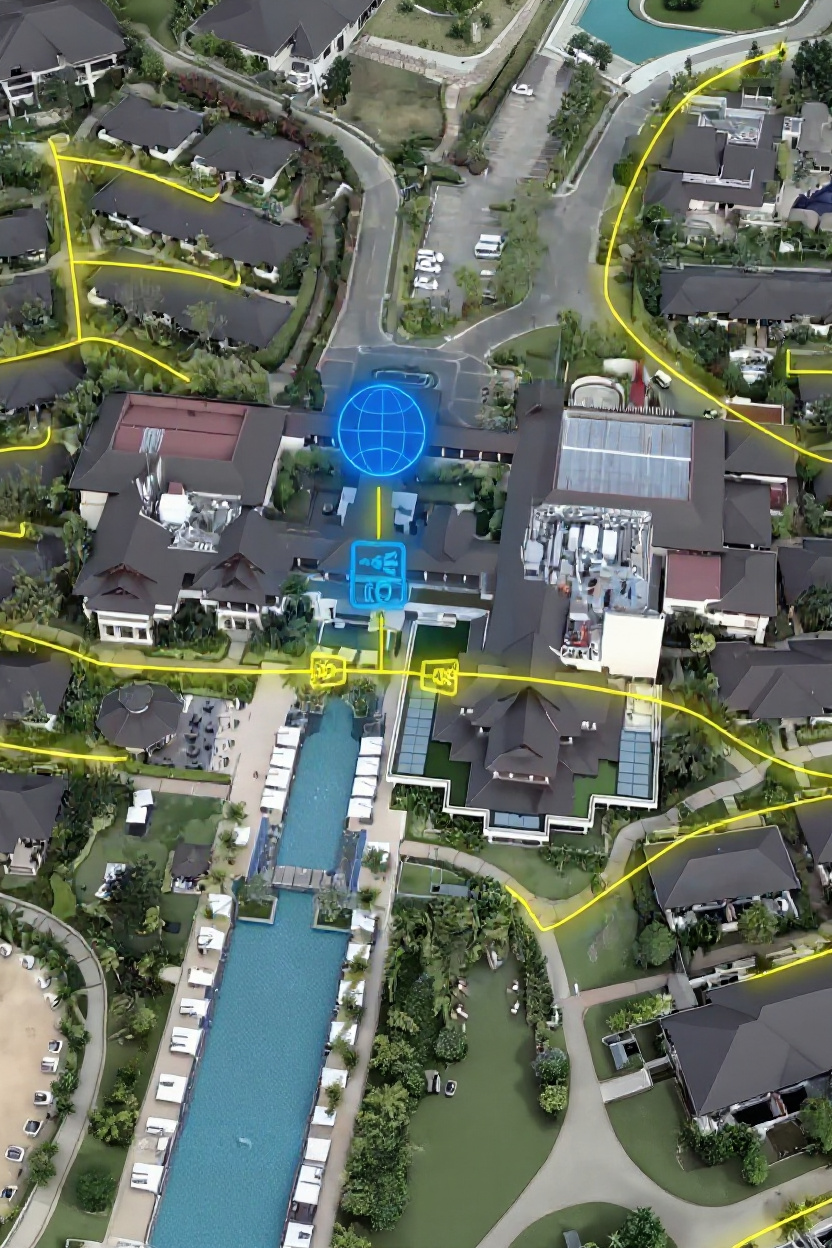
Optical LAN topology with GPON, POL and FTTO architecture

Technical Scope

  • Study and design of the network architecture based on capacity, reach and number of end points.
  • Selection and supply of equipment (OLTs, splitters, ONTs, optical patching) according to project profile and scale.
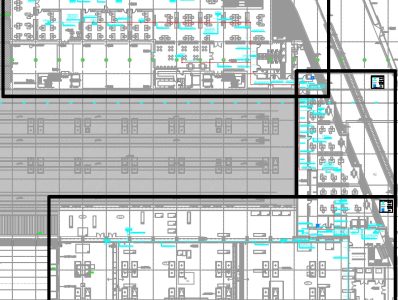
  • Deployment of the optical backbone and interconnection with central ICT systems and NMS.
  • Blowing fiber in microducts or conventional conduits with loss and link-performance verification.
  • Installation and configuration of OLTs, splitters and ONTs with service provisioning for data, voice and IPTV.
  • Unification of subsystems (Wi-Fi, CCTV, access control, BMS) over a common infrastructure.
  • Network certification & acceptance using OTDR and power-meter tests, with full documentation and detailed reports.

Frequently Asked Questions (FAQ)

What do PON, POL and FTTO mean and how do they differ?

The terms PON (Passive Optical Network), POL (Passive Optical LAN) and FTTO (Fiber To The Office) describe different architectures with the same principle: using optical fiber and passive components to transport data across a building or campus.

  • PON is the generic term for the passive optical network widely used in FTTH.

  • POL is the adaptation of that technology to the LAN environment, replacing the active Ethernet infrastructure.

  • FTTO refers to implementations where fiber runs to the desk/office, with a small switch or media converter at the endpoint.

In practice, these concepts all reflect the same technological approach: reusing FTTH technology in private networks to replace active Ethernet with a more efficient, lighter-power and scalable optical network.

Our Approach

Optical local networks significantly reduce complexity and OPEX, replacing hundreds of meters of copper and active gear with a simple passive backbone. Compared with a traditional Ethernet LAN they can deliver up to 70% less copper cabling, up to 60% lower power consumption, and up to 80% smaller rack/telecom-room footprint. On the other hand, higher CAPEX and certain technical constraints mean they are not a one-size-fits-all choice.

At Layer 1 Technologies we treat POL as an alternative to Ethernet, not as a dogma. Our experience in FTTH carrier projects and large-scale enterprise LANs allows us to recommend solutions based solely on network functionality and total cost of ownership for the client.

Indicative Applications

  • Hotels & resorts where POL replaces Ethernet, consolidating data, voice, IPTV and Wi-Fi on one infrastructure. In new builds or full renovations, TCO can be 20–30% lower over 5–7 years vs a conventional Ethernet LAN.
  • University campuses & educational complexes with interconnected buildings, low OPEX requirements and simple maintenance.
  • Malls and multi-venue sites where a single optical infrastructure is required for tenant networks, digital signage, CCTV and Wi-Fi.
Wondering if PON is the right fit for your project? Layer 1 Technologies undertakes the design, evaluation and implementation of optical local networks, delivering fully documented solutions with measurable benefits in cost and performance.
Request Briefing & Technical Assessment

Related