UPS & Power Backup

Uninterrupted Power Supply for Zero-Downtime Environments

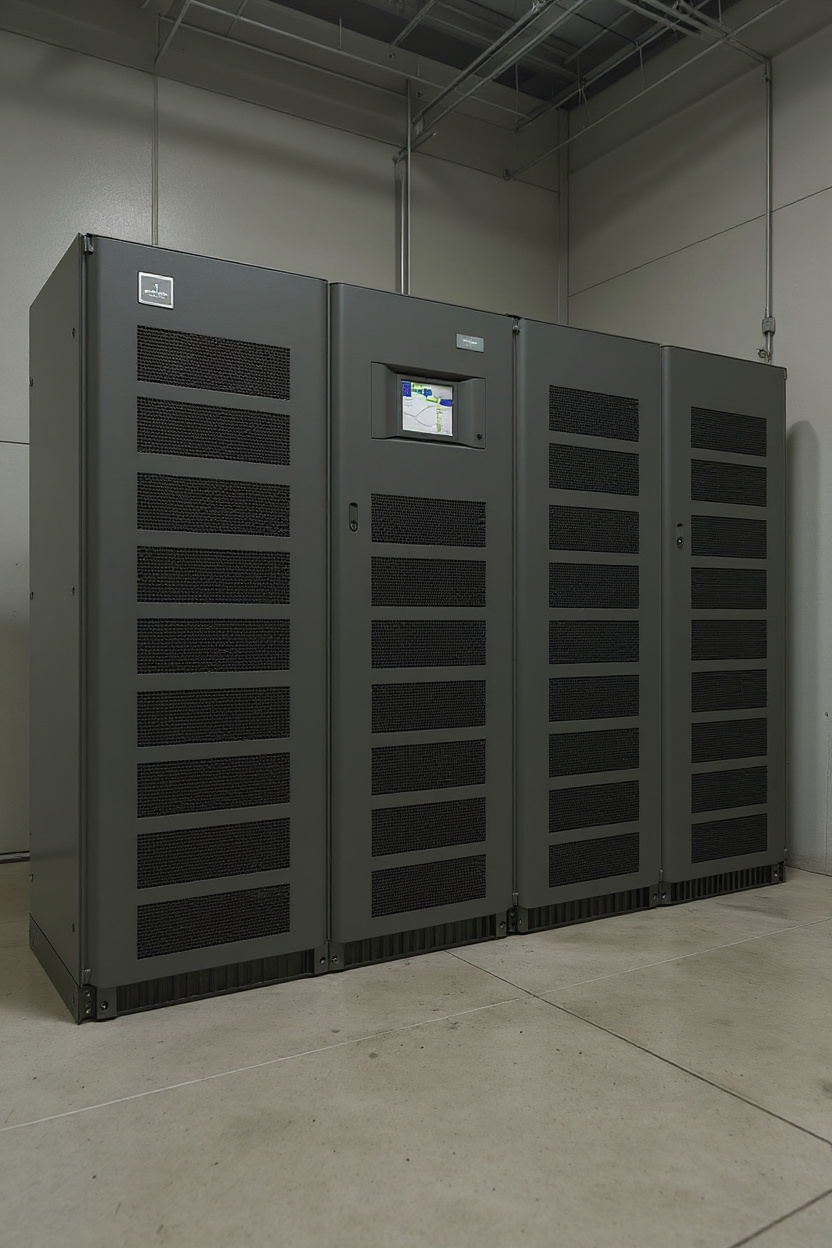
At Layer 1 Technologies, we design and implement complete UPS and backup power systems for critical facilities where continuity is non-negotiable. Our solutions ensure full protection against power failures and guarantee operational stability. We deliver turnkey installations with advanced monitoring, integration with BESS, and DCIM connectivity for real-time control and efficiency.

UPS & Power Backup

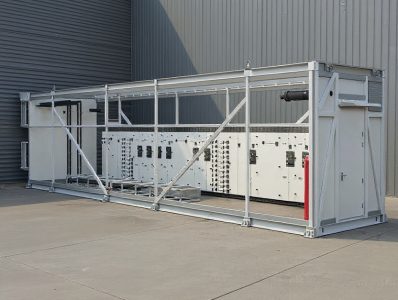
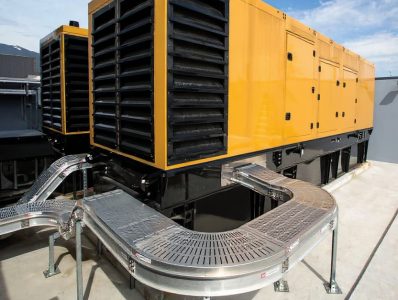
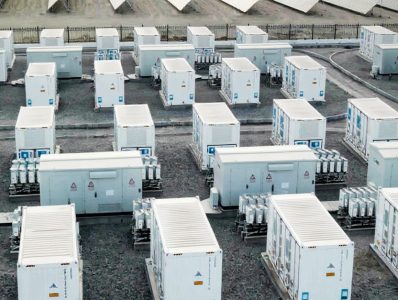
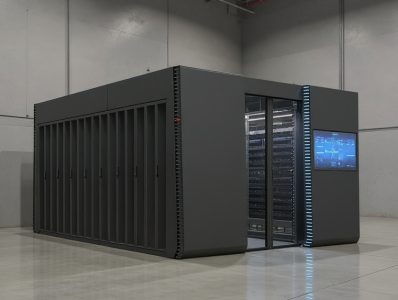
UPS and power backup systems with generators, battery banks and redundancy architecture

Technical Scope

  • Load analysis and sizing of UPS systems, including runtime autonomy and redundancy requirements.
  • Selection and supply of UPS units according to load profile, redundancy configuration (N, N+1, 2N), and criticality level.
  • Power distribution and electrical integration, including ATS and PowerPods, with short-circuit and protection coordination studies.
  • Installation, cabling, and commissioning of UPS and related systems (battery banks, bypass panels, etc.).
  • Battery performance testing and harmonic distortion (THD) analysis under nonlinear loads.
  • Integration with DCIM/BMS platforms for monitoring, alarms, and predictive maintenance.
  • Commissioning and compliance verification according to IEC 62040 and EN 50171, with full technical reporting.
  • Preventive maintenance and SLA-based service, including 24/7 response and replacement support.

Frequently Asked Questions - FAQ

When does UPS installation require a structural load assessment of the building, and how is overweighting handled?

Large-scale UPS systems and battery banks create concentrated loads that may exceed the design capacity of building floors. According to Greek and European standards (KAN.EPE, EAK), a structural study is required when static loads exceed safe thresholds.

Indicative allowable surface loads:

  • Offices: 2.0–3.0 kN/m² (≈ 200–300 kg/m²)

  • Technical spaces: 5.0–7.5 kN/m² (≈ 500–750 kg/m²)

  • Industrial spaces: 7.5–10 kN/m² (≈ 750–1000 kg/m²)

A structural assessment is necessary when the combined weight of UPS and batteries exceeds 400–500 kg/m², especially in elevated floors or buildings not originally designed for heavy equipment.
The evaluation must be conducted and certified by a civil engineer and submitted with the installation file. In most cases, load distribution is improved using reinforced metallic platforms.

Our Approach

At Layer 1 Technologies, we design UPS systems that combine reliability, scalability, and energy efficiency. We evaluate every project based on its operational load and criticality, ensuring full continuity even under demanding conditions.


Our engineering team manages every stage — from design and power distribution to commissioning and maintenance — integrating UPS, batteries, bypass, and DCIM for total system visibility and resilience.

Power continuity is not negotiable. Layer 1 Technologies delivers UPS systems that ensure absolute availability and reliability in every critical infrastructure.
Contact Our Team

Related