LoRa Networks (LoRaWAN/LPWAN)

Wireless connectivity for long-range, low-consumption IoT applications

Layer 1 Technologies designs and deploys low-power sensor networks (LoRaWAN / LPWAN) for IoT in industrial sites, agricultural facilities, campuses and Smart City projects. These networks connect thousands of sensors without cabling or SIMs, with minimal energy consumption and wide area coverage.

LoRa Networks (LoRaWAN/LPWAN)

Ολοκληρωμένες λύσεις IoT με LoRaWAN/LPWAN: μελέτη RF, εγκατάσταση gateways & αισθητήρων, διασύνδεση με πλατφόρμες Smart City, BMS ή SCADA.

Technical scope

  • Requirements analysis and selection of the appropriate architecture (LoRaWAN, NB-IoT, Sigfox, private LPWAN).
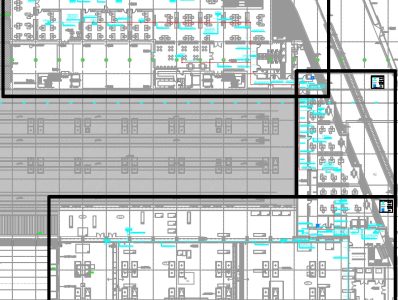
  • RF coverage study and placement of LoRa gateways for optimal performance and secure communications.
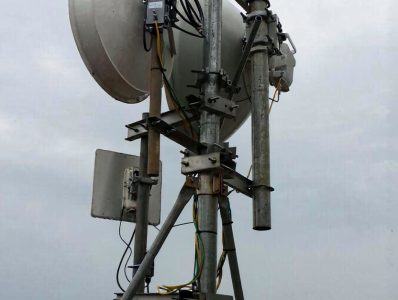
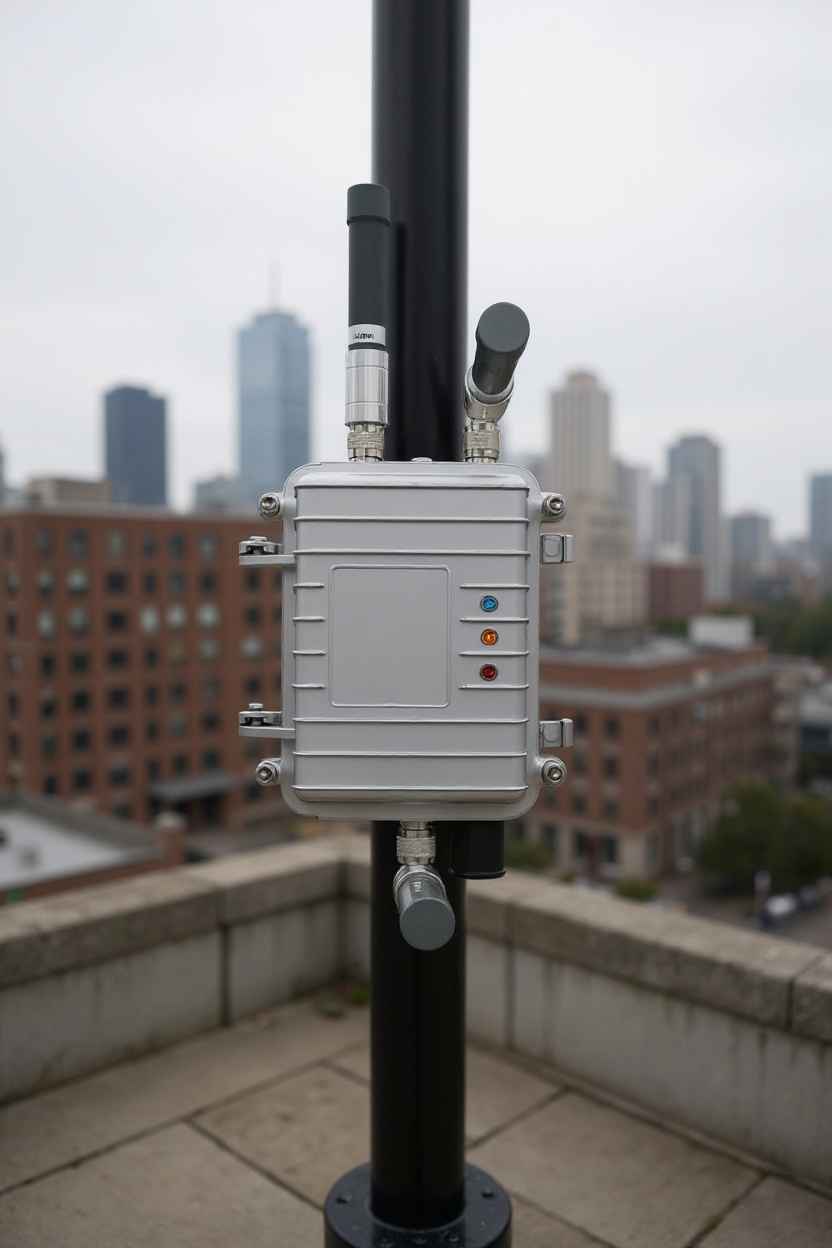
  • Supply, installation and configuration of LoRa gateways and field sensors.
  • Integration with a LoRaWAN Network Server (ChirpStack, Loriot, Actility or TTN Private).
  • Creation and configuration of an Application Server or integration with third-party platforms (Smart City, BMS, SCADA).

Frequently Asked Questions (FAQ)

What are LPWAN, LoRa, LoRaWAN and NB-IoT and how do they differ?

LoRaWAN is the most widespread non-cellular LPWAN technology, ideal for private or public sensor networks where low power, low cost and independence from carriers are critical.

  • LPWAN (Low Power Wide Area Network): Umbrella term for all long-range, low-power networks — includes LoRaWAN, Sigfox, NB-IoT and others.

  • LoRa (Long Range): The physical layer (radio modulation) used to transmit a signal over long distances at low power. It does not define network or security protocols; it defines transmission characteristics.

  • LoRaWAN (Long Range Wide Area Network): The full network protocol running over LoRa. It covers device management, encryption, servers and transport to the Internet. Supports private or public LoRaWAN networks with thousands of sensors.

  • NB-IoT (Narrowband IoT): A standard based on cellular networks (LTE), uses SIMs and belongs to mobile operators. It offers wide coverage, but requires per-device subscriptions and has higher energy consumption than LoRaWAN.

Our approach

Our role in the IoT ecosystem is at the infrastructure and integration level: we handle the RF study, installation of gateways and sensors, network configuration, and integration with the software platforms of partners or clients — we don’t provide or support those platforms ourselves.

Layer 1 acts as a technical partner to software vendors, municipalities and industrial clients, delivering stable connectivity, interoperability and documented performance. When required, we can deliver the entire technical stack — sensors, gateways, network server and commissioning — so you can focus solely on the application and the value of the data.

Indicative applications

  • Precision agriculture: soil moisture, temperature and micro-climate monitoring for optimal irrigation and energy efficiency.
  • Industrial sites & logistics hubs: monitoring of energy consumption, temperature, humidity and machine operating conditions.
  • Smart City: water-level, air-quality, flood-prevention, parking and waste-management sensors.
  • Buildings & campuses: monitoring of environmental conditions, lighting and energy consumption without cabling.
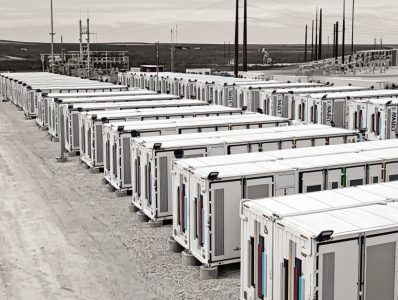
  • Energy & environmental infrastructure: remote telemetry for PV parks, water utilities or BESS installations.
Planning an IoT project or need infrastructure to collect field sensor data? Layer 1 can deploy a complete LoRaWAN network tailored to your application’s needs.
Contact us

Related